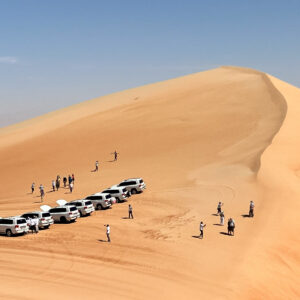
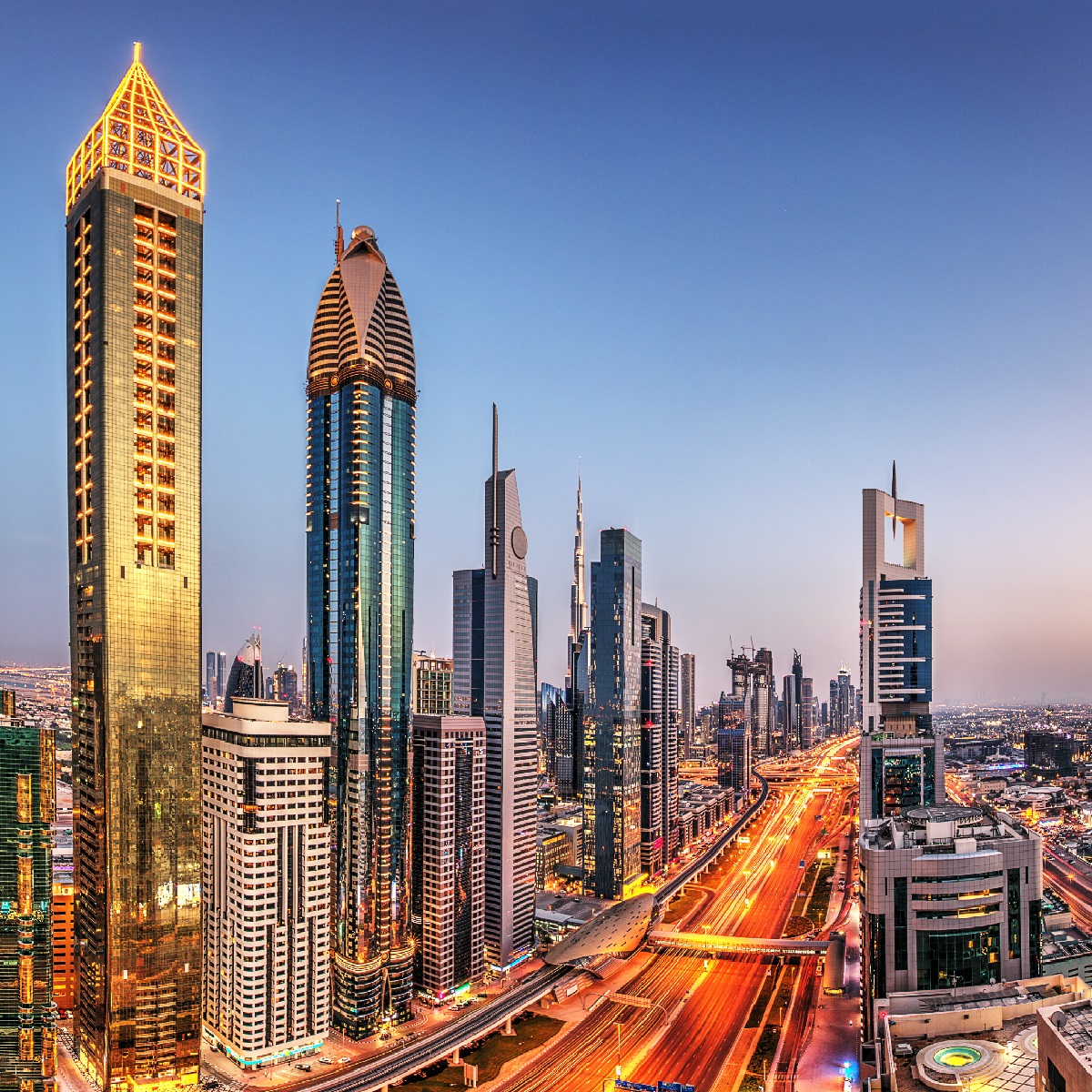
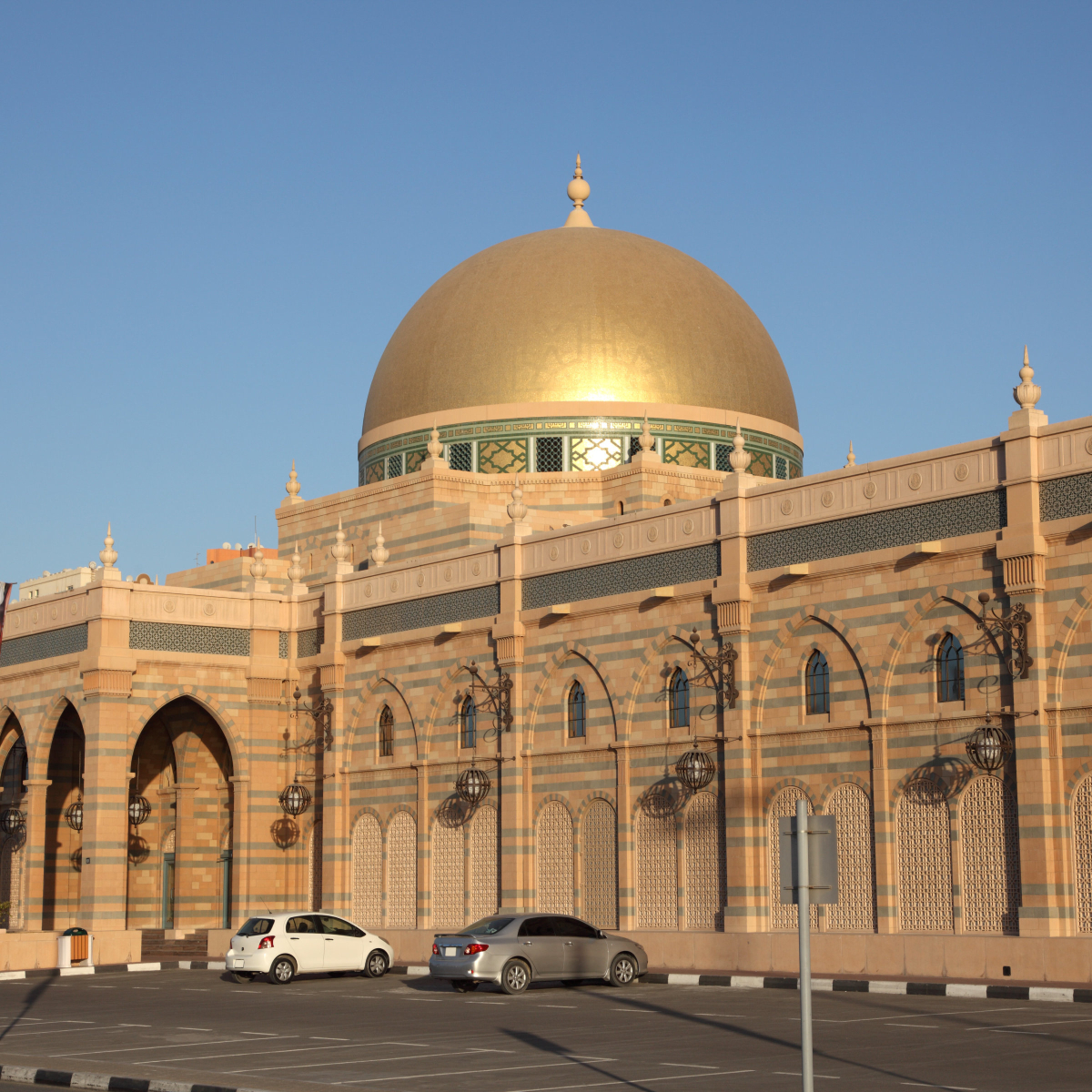
The United Arab Emirates (UAE) is one of the safest and most beautiful countries in the world. The U.A.E perfectly combines the conventional and modern values of East and West and synchronizes with different nationalities and cultures. Such an act makes this country and other advanced nations in the world. It is an unbelievable fact that the present United Arab Emirates (U.A.E), positioned in the Arabian Peninsula’s Southeast corner, was only a desert land even during the 1950s. The shoreline of the country dotted with ridges and coral reefs was helping the local population to survive with natural pearls, fishing, camel herding and oasis farming. The thriving natural pearl industry of the region suffered a setback in 1930 when Japan introduced cultured jewels in 1930.

A History
The Portuguese led by Vasco de Gamma were the first to come to the region in 1498 on their way to India. The British, who landed here in 1820, signed a treaty of peace with nine Arab sheikhdoms to safeguard their trade route to India from pirates. The truce signed gave the name to sheikhdoms as the Trucial States. After granting independence to India in 1947, the British continued their influence in the Gulf region for its oil potential.
The discovery of oil in the other kingdoms had encouraged the ruler Sheikh Shakhbut Bin-Sultan Al Nahyan of Abu Dhabi, to agree with Iraq Petroleum, for the detection of oil in the region. The desert conditions created problems in domestic oil exploration. The oil exploration agreement of Abu Dhabi with British Petroleum helped in the discovery of oil in the Umm Shaif field at a depth of about 8,755 feet in 1958. The development of oil in other places followed it. The finding of oil in 1960 in Dubai further helped the region to introduce progressive reforms.
The decision of the Al Nahyan family to substitute the ruler Sheikh Shakhbut Bin-Sultan Al Nahyan with his brother Sheikh Zayed in 1966 also helped Abu Dhabi to make rapid progress.
Formation of the Nation, The United Arab Emirates
In 1971, the British announced their intention to leave the country due to unfavorable economic conditions in the region. Among the nine Trucial States, the Kingdom of Bahrain and Qatar went independently on their own. The decision of Bahrain and Qatar enabled the formation of the UAE on 2 December 1971. Initially, only Abu Dhabi, Dubai, Sharjah, Umm-Al-Quwain, Ajman, and Fujairah joined the federation and Ras-al-Khaimah joined the alliance in February 1972. Hence, The United Arab Emirates was formed on 02-December-1971 and below are the 7 Emirates of the UAE
- Abu Dhabi, The Federal Capital City of the United Arab Emirates
- Dubai, A fast-growing unique, dynamic business hub, and a tourist paradise
- Sharjah, The Cultural Capital City of the Arab World
- Ajman, The City, Combines Ancient Heritage and Modern Development
- Ras al-Khaimah, The City with Impressive Archaeological Heritage and Rich Cultural History
- Umm al Quwain, The Beautiful Topographical Diversified City
- Fujairah, The Ancient Country of History Dated Back to B.C.

The newly formed federal state was formally known as Dawlat al Emarat Al Arabiyya Al Muttahida better known as the United Arab Emirates (UAE). The Late Sheikh Zayed bin Sultan Al Nahyan of Abu Dhabi and the Late Sheikh Rashid bin Saeed Al Maktoum, Ruler of Dubai took most of the initiatives to form the federation. Each of the seven Emirates was given a single vote to cast in the deliberations and resolutions of the council.


UAE National Flag
The official UAE flag, separated into four rectangular parts, comprises red, green, white and black colors. The flag was first hoisted on 2nd December 1971 by the late Sheikh Zayed Bin Sultan Al Nahyan to announce the beginning of the new state. The 02nd December 1971 signifies the formation of the Federation of UAE, and it is celebrated every year as National Day.
UAE Official Flag
The Federal Supreme Council
The highest constitutional authority is known as the Federal Supreme Council consisting of the rulers from seven emirates formed as the leading legislative and executive authority. The council also frames general policies and approves the statute laws to be followed. A Ministerial Council for Services was established in 2006 to perform the role of the executive board in the cabinet. This commission implements the general policies of the UAE Government while following the operations of the federal government.
The UAE holds around 10% of the world’s known oil reserves, and it contributes to nearly 30% of its income. The UAE no more depends on gas and oil reserves, presently its investments in the construction, real estate, tourism, and trade sectors contribute to its growth. Especially Dubai with comparatively fewer oil reserves has diverted its attention to real estate, development, and tourism business and achieved rapid progress.
Language
Arabic is the official language of the United Arab Emirates. English, Hindi, and Farsi are other widely spoken languages.
Currency
The name of the official money is Dirham. One Dirham divides into 100 fils.
Abu Dhabi Emirate
The Federal Capital City of the United Arab Emirates
Abu Dhabi is the largest city in the UAE. It is also the federal capital city of the United Arab Emirates. Abu Dhabi City built over a T-shaped island, which protrudes into the Persian Gulf, is the home of the UAE President and Abu Dhabi Emiri family. Most of the essential federal government offices are situated in the city.

Abu Dhabi is extraordinary with relaxing beaches and warm seas. The city is endowed with a shallow and long coastline over the Southern Gulf. The coastline stretches from the bottom of the Qatar Peninsula in the west and extends to Dubai’s border on the northeast. The place is once known for water pearling now flourishes with onshore and offshore oil fields.

Abu Dhabi is a land with some naturally formed islands. The well-known among them is Yas Island, Saadiyat Island, Sir Bani Yas Island and Delma Island. Yas Island offers the ultimate entertainment with a range of activities such as Ferrari World, Water World, Gateway Park, golf course, du Arena, du Forum, Marina circuit for car racing, marina and beach.

The Saadiyat Island is undergoing qualitative changes to become the world’s cultural hub for leisure and business activities. The island boasts an ocean course golf club designed by Gary Player. The Sir Bani Yas Island is the natural habitat for giraffes, gazelles, and Arabian Oryx and now includes cheetahs and hyenas. The Delma Island, the oldest among all, continues to give glimpses of old pearl diving and maritime heritage.
The state country gives an ultimate mix of entertainment and glimpses of nature.

Dubai Emirate
The fast-growing unique, dynamic business hub and a tourist paradise
The country is known for its rich cultural inheritance and warmth in welcoming guests and visitors is placed in the southwest corner of the Arabian Gulf and on the Eastern coast of the Arabian Peninsula. Its fascinating deserts, long beaches, around the year sunny weather, comfortable luxury hotels and vast shopping malls draw millions of business and leisure tourists from all over the world.

Maktoum Family, the present ruling family of Dubai, was the first to settle in Dubai Creek with 800 members in 1833. His Highness Sheikh Rashid bin Saeed Al Maktoum, with his visionary wisdom, dredged the river to improve the shipping traffic in the region and made Dubai an essential hub for trading.
The kingdom discovered oil in 1966. The king with his foresight utilized the oil revenue to develop the infrastructure of Dubai. The top priority was given to the construction of roads, hospitals, schools and telecommunication infrastructure. The Dubai Airport became an international airport to handle the increased level of traffic and currently undergoing further expansion. Jebel Ali, the world’s biggest manually built harbor was constructed along the free zone to manage higher volume sea cargo.
The high-quality infrastructure development, expat-friendly environs, low level of import duties and zero tax on corporate and personal income earned in Dubai made it a favorite destination for investors from all around the globe. Such investments fueled its growth to become the leading business and tourism hub.

The Dubai economy, no more depends on oil revenue for its growth. Its diversification into financial, services and trade segments and its strategic location between Asian and European business segments have converted the country into an essential constituent of the global economy. The politically stable state, with a perfect regulatory system and its investment in cutting-edge technologies, has emerged as a leading capital market hub.
Sharjah Emirate
The Cultural Capital City of the Arab World
Sharjah is unique among the UAE countries. The third largest emirate is the only Emirate that touches both the Persian Gulf and the Gulf of Oman. UNESCO in 1998 named this nation as Cultural Capital of the Arab World for its heritage conservation, culture, and art preservation. The Organization of Islamic Conference (OIC) has chosen Sharjah as the OIC Capital of Islamic Culture for 2014.

The country spreads to around 2600 sq. km and is ruled by the Al Qasimi family. His Highness Sheikh Dr. Sultan Bin Mohammad Al Qassimi is the ruler of Sharjah and a member of the Supreme Council of the United Arab Emirates. The country touches Dubai on its Southern Border and Ajman on its northeast side. Other than the Sharjah city the different parts of its regions such as Dibba, Kohar Fakkan and Kalba remain close to Fujairah on the East Coast. Al Dhaid is another town in this emirate.
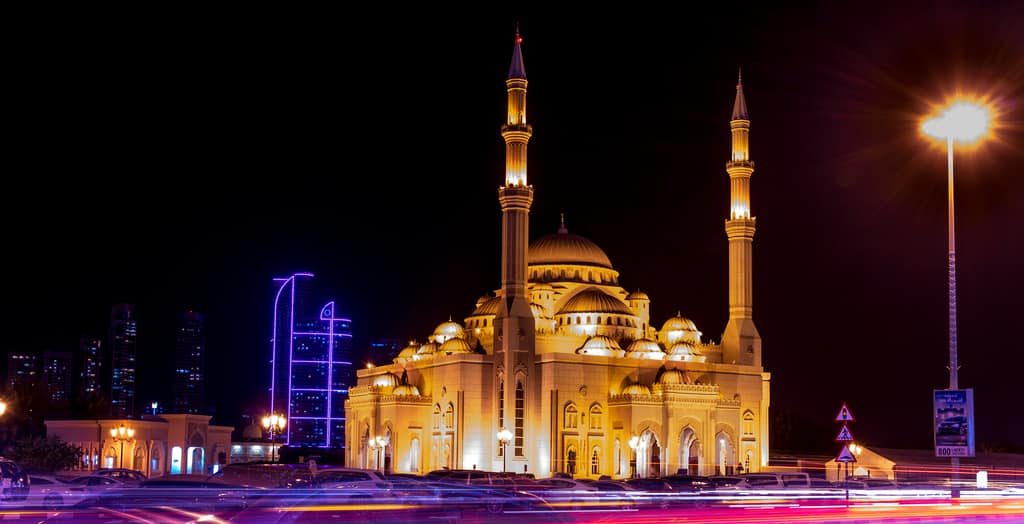
The country that lies very close to Dubai is also building up its infrastructure to attract tourists. Sharjah is one of the leading ports in the lower part of the Gulf linking India and Persia for the exchange of produce. The country has established a range of free zones and industrial zones to encourage commerce and industry. Sharjah currently welcomes overseas investment in production, trade and service sectors. The country handles its air traffic through its new Sharjah International Airport.

Sharjah, with its old souks and heritage areas, assists the tourists to understand the inheritance of the country for centuries. The nation, Sharjah offers exciting tourism opportunities for mountain safaris and desert tours. The operators also provide package tours that give dune buggy driving, sand-skiing, sand boarding, canoe trips and camel riding opportunities.

The climate of Sharjah is humid and hot. The daytime weather conditions vary between 42 Degrees to 45 Degrees C and the nighttime weather conditions differ from 9 Degrees C to 13 Degrees C. The country like any other gulf country gets only a short yearly rainfall.
Ajman Emirates
The City Combines Ancient Heritage and Modern Development
Ajman is the smallest among the seven emirates of UAE and occupies around 260 square kilometers area. It is one of the six emirates placed on the Arabian Gulf Coast. Ajman is the capital of the emirate. Mesfoot and Al Menameh, the other two cities of the emirate, are in the Hajar Mountains. They are known for their agricultural produce.

Ajman’s joining the UAE federation has benefitted the country immensely. The state has developed its infrastructure under the leadership of its ruler Sheikh Humaid bin Rashid Al Nuami. He resides in the city of Ajman. Most of the commercial markets, banking institutions and companies are located in Ajman. The souks of Ajman are well known for offering maximum bargains and always flocked by tourists. The Ajman City Center boasts nearly 50 international and local selling brands.

The country, located next to Sharjah, is endowed with a beautiful sandy beach and it is famous for dhow building expertise. Fishing and growing date trees are the primary income earners for the local population. The natural harbor of Ajman houses one of the most significant shipping repair facilities in the UAE. The port offers excellent opportunities for export and import business, and it is a free zone for industries.

The country with some historical landmarks provides a very moderate daytime temperature of 20 degrees and a nighttime temperature of 10 degrees during winter. The summer is dry and hot with a daytime temperature of 42 degrees and a night temperature of 35 degrees.
Ras-Al-Khaimah Emirate
The city with impressive archaeological heritage and a rich cultural history
Ras al-Khaimah meaning ‘Top of the Tent’ is virtually in the northern part of UAE abutting Oman’s exclave of Musandam. The country covers around 1684 square KM area has the capital city of the same name Ras al-Khaimah. A creek divides the country into two parts. The western side of the river is known as old Ras al-Khaimah, and the eastern side is known as Al Mi’ereed. The other important parts of the country include Al Ramis, Al Jawlan, Al Mamoora, Al Hudaiba, Al Nakheel and Al Oraibi.
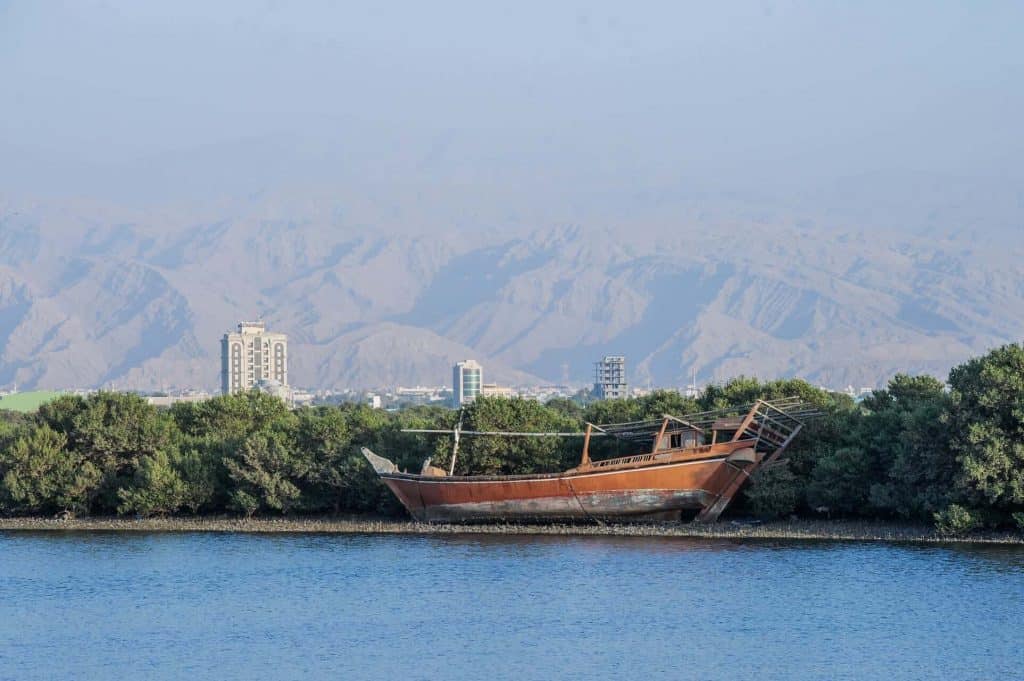
The country presently ruled by Sheikh Saqr bin Mohammed Al Qasimi has an ancient history dating from 5000 BC. The archaeological findings indicate that a rich cultural history existed in the location where the present Ras al-Khaimah is.
The surface regions of the country include mountain ranges in the northern part of the Gulf and plain sandy beaches in the east. The water running from the Hajar Mountains keeps this country green. Agriculture and fishing are the main contributors to the economy of the country. The sulfur springs close to mountain areas are one of the tourist attractions in the country.

Ras Al Khaimah has an established transport network managed by the RAK Transport Authority. It provides public transport facilities and supervises a good number of taxi services including the exclusive pink-colored taxi services for women. The country has three seaports namely Ras Al Khaimah Port, Al Jazeera Al Hamraa Port and Saqr Port the main port.
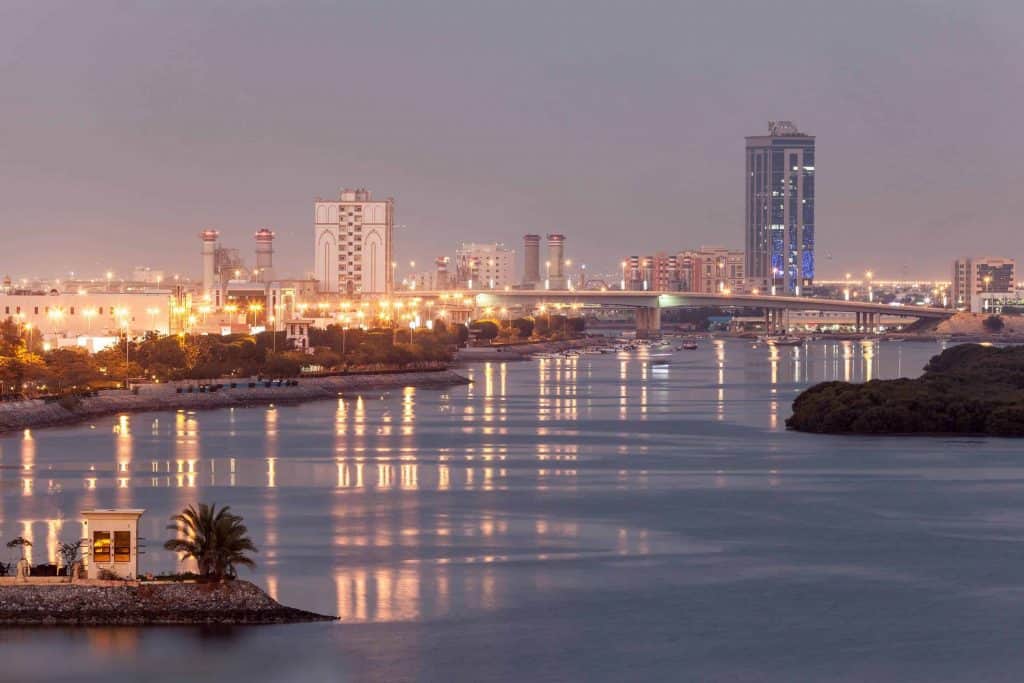
Tourist entertainment in the country includes mountain exploration, camel and horse racing, falconry shows, golf courses and flying. The main shopping centers of the country are in the old Ras Al Khaimah and Al Nakheel areas. Please check our Ras-Al-Khaimah City Tour to learn more about RAK
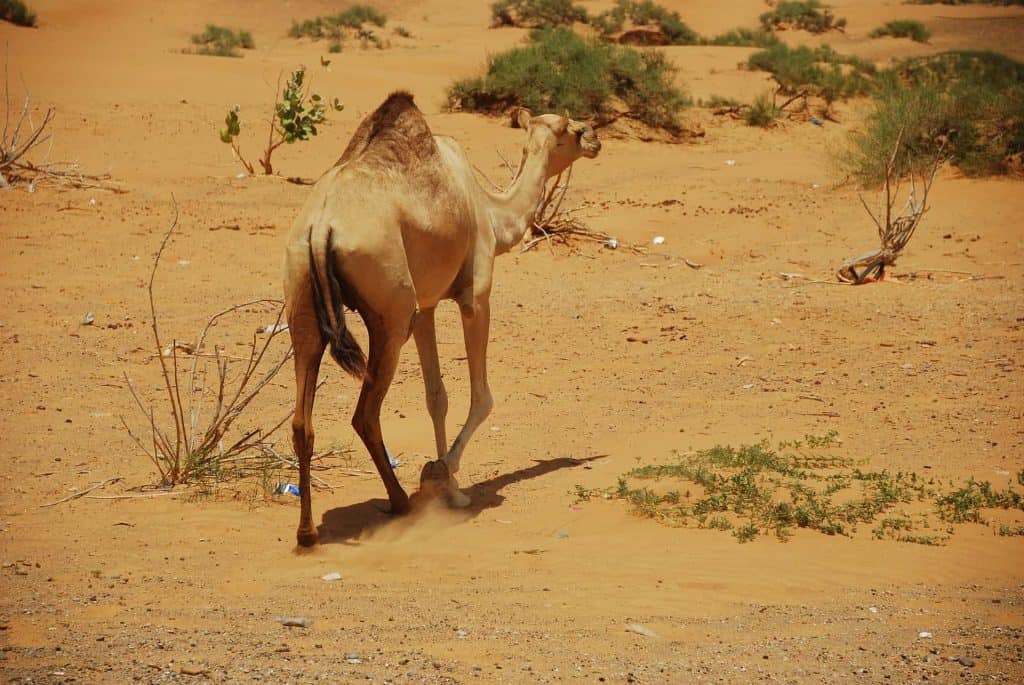
Some shopping malls including the latest RAK Mall enable the tourists to buy a choice of electronic goods, health goods, perfumes, and clothes. The country has natural parks located in Khat, Rams, shame, Digdaga, and Kheran. Its most sizeable human-made waterfall measuring 540 feet wide, and 120 feet long gives a rare water entertainment to the tourists.
Like any other emirate city, Ras Al Khaimah is endowed with a hot and arid climate during summers and mild weather during winters. The daytime temperature of the country varies from 25 Degrees C during winter to 48 Degrees C during the season. The nighttime temperature ranges from 18 Degrees C during winter and 29 Degrees C in summer. The country gets rains and thunderstorms in winter and snowfalling is reported twice in its mountain ranges.
Umm Al Quwain Emirate
The Beautiful Topographical Diversified City
Umm Al Qaiwain, with a total area of approximately 770 square kilometers, is the second smallest emirate. Its southern borders are shared by Ajman and Sharjah and Ras Al Khaimah is on its north side. Date farming and fishing are the primary occupations of the people. The emirate is said to have been established by Sheikh Majid Al Mualla in 1775. Like the other UAE countries, Umm Al Qaiwain is strategically located in the trade route between the European and Asian countries. The nation under Sheikh Rashid bin Ahmed Al Mualla, its present ruler, has invested in infrastructure development and progressed into a modern state.

Umm Al-Quwain on its Persian Gulf side has an abundance of coastal mangroves, and more significant sized dunes found on its interior. The Fertile land surrounds Falaj Al Moalla a hinterland town and a natural oasis. The country with artificial tourist attractions and natural beauty receives visitors from other Gulf countries as well as from other parts of the world. The state does not have an airport of its own. Tourists and visitors use the airport terminals in Ras Al-Khaimah, Sharjah, Dubai and Abu Dhabi to reach it. Tourists predominantly use taxis for transportation within the country.

The tourist attractions of the country include fishing, camel racing, and falconry. The region nests the famous peregrine falcons and the Al-Hur light-skinned hunting hawk. Khor al Beidah in Umm Al-Quwain is very popular for bird watching. Similarly, Al Sinniyah a 90 square kilometer island houses the famous marine sanctuary.
The country like any other gulf country provides a comfortable day temperature of 26 Degrees and a night temperature of 15 degrees from November to March. During the additional months of the year, the country suffers from high humidity levels with daytime temperature reaching around 40 degrees C. The nation gets a scanty 42 mm of rain in a year.
Fujairah Emirate
The Ancient Country of History Dated Back to B.C.
Fujairah is the only emirate that does not face the Arabian Gulf among the seven emirates and meets the Gulf of Oman. It joined the UAE formation as the last country. The country, the fifth largest among the UAE emirates, covers around 1166 sq. KM. The famous towns of Fujairah include Al-Siji, Masafi, Al Bidiyah, Qidfa, Murbeh, and Dibba. Unlike other emirates of UAE, most of the parts of the places in Fujairah cover mountains and land terrains. The country gets enough rainwater from the Hajar Mountains for irrigation to grow crops.
At present, the country is ruled by His Highness Sheikh Hamad bin Mohammed Al Sharqi. He succeeded his father in 1974. The positions in the cabinet of the government are filled by family heads of the ruling family.
The economy of the country flourishes with local stone crushing, mining, and cement manufacturing. The free trade zone established in line with the Dubai Free Zone is close to the Port of Fujairah. It offers easy access to Arabian Gulf Ports, Pakistan, India and other parts of the Red Sea. The port also handles cargo from North America and the Far East. More than 40 oil tankers go through the port every day. The Fujairah International Airport serves the east coast of UAE and the northern parts of Oman.
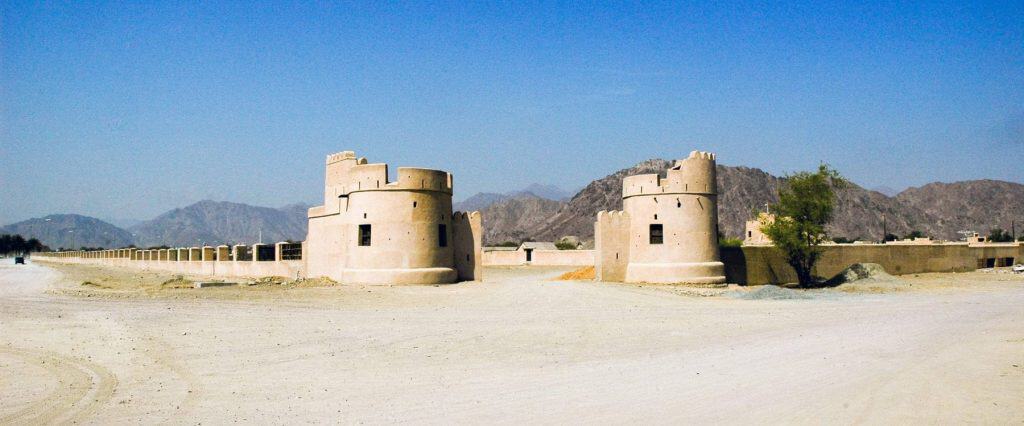
The country offers the most beautiful natural scenery, excellent seashore, and warm climate to tourists. It is well linked to all the other major cities in the UAE emirate using well-constructed highways for the easy reach of the tourists.
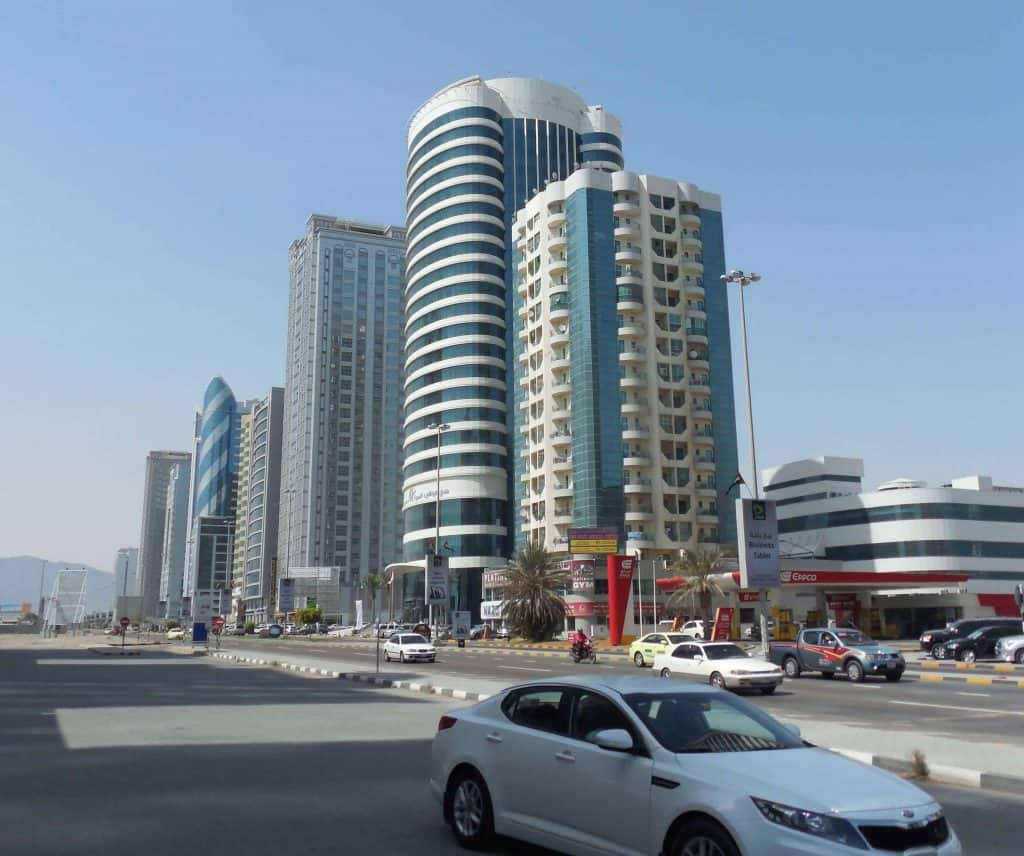
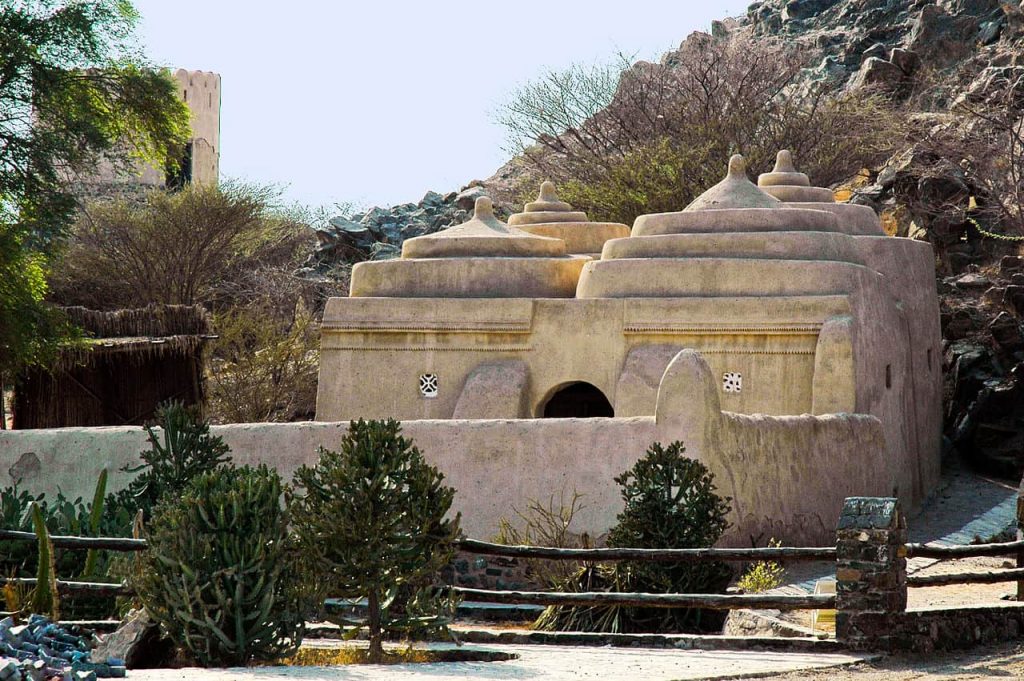
Some of the tourist attractions in the country include Al Bidyah Mosque, Wadi Wurayah, Jungle Bungle amusement theme park, Al Hayl Castle, Madhab Sulpheric Spring Park and Fujairah Museum. The Fujairah City Centre opened in 2012 with 105 shops offering national and international brands for the shoppers. The country provides both budgeted hotels as wells high-end hotels for tourists.
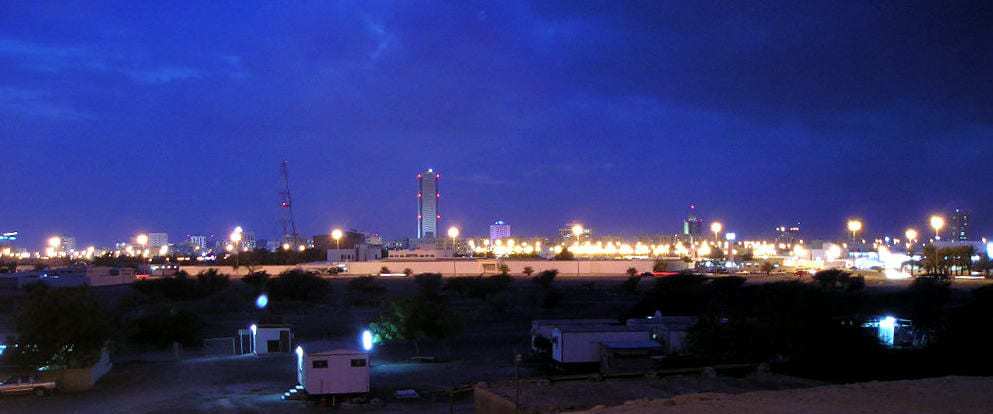
The weather is warm all through the year, and the daytime temperature ranges from 25 Degrees C to 30 Degrees C and rarely crosses 40 Degrees C in summer. During winter the country enjoys perfect weather. The natural effect of the mountains close to the nation and the ester-filled clouds from the Indian Ocean brings adequate rain to the state.